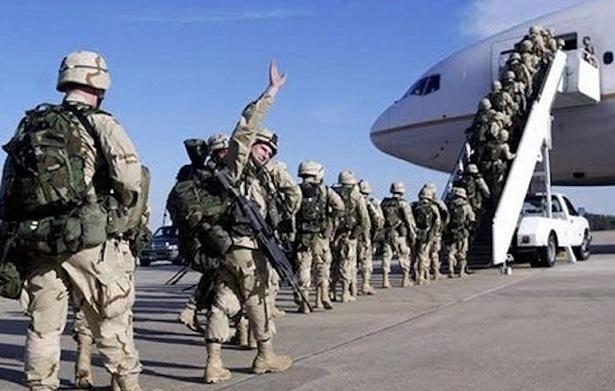
<p><a href="/en/afganistan/kabul" class="glossify-link">KABUL</a>) forces to leave the country, warns a new report.</p>
<p>The international civilian presence would shrink and <a href="/en/external" class="glossify-link">external</a> economic and security assistance diminish if the US service-members left Afghanistan abruptly, it said.</p>
<p>Two former US special envoys for Afghanistan and two ex-defence officials have authored the report, spotlighting the consequences of a possible American pullout.</p>
<p>In case of an early drawdown, the report added, power would move from the centre to the periphery and responsibility for security would devolve to regional militias.</p>
<p>Additionally, the <a href="/en/taliban" class="glossify-link">Taliban</a> will extend their control over territory and population, Afghanistan will slide into a wider civil strife, with civilian deaths and refugee flows shooting up.</p>
<p>“Extremist groups, including Al-Qaeda and Daesh, will gain additional scope to organise, recruit and initiate terrorist attacks against US regional and homeland targets,” the report continued.</p>
<p>Afghanistan’s neighbours would get even more involved in war if the United States withdrew its forces, it cautioned, saying the Taliban would lose their interest in negotiating peace.</p>
<p><a href="/en/pakistan" class="glossify-link">Pakistan</a>, Russia, Iran, India and Uzbekistan had a history of aiding various ethnic groups, such as Pashtuns, Tajiks, Uzbeks and Hazaras, the report explained.</p>
<p>The authors include James Dobbins, a former US special representative for Afghanistan and Pakistan, Jason H. Campbell, former country director for the secretary of defense, Sean Mann, a former analyst for the Special Operations Joint Task Force, and Laurel E. Miller, an acting special representative.</p>
<p><a href="/en/pan" class="glossify-link">PAN</a> Monitor/mud</p>